

Gel nails are basically regular nail polish on steroids. They're a type of polish that hardens under UV or LED light instead of air-drying, which makes them way more durable and chip-resistant than traditional polish. If you're tired of your manicure looking rough after three days, gel nails are exactly what you've been looking for.
The big difference? Regular polish flakes and peels pretty easily. Gel polish bonds to your nail and can last 2-3 weeks without chipping. That's a game-changer if you use your hands a lot or just want your nails to look fresh longer.
Here's what you need to know about how gel nails work and whether they're the right choice for your nail care routine.
Related: Builder Gel Nails vs Gel X: Which Is Right for You?
Related: Pro Nails: What They Are & How to Get Them
How Gel Nails Are Applied
The application process is pretty straightforward, though it takes a bit longer than regular polish.
First, your nail technician preps your nails. They file them to shape, push back your cuticles, and gently buff the nail surface to help the gel adhere better. This is super important—a good prep makes all the difference in how long your gel manicure lasts.
Next comes a base coat, which is painted on just like regular polish. Then it goes under the lamp to cure. Most salons use LED lamps because they cure faster than UV (usually 30-60 seconds vs. 2-3 minutes). Then your color goes on, gets cured, and you add a top coat for extra shine and protection.
The whole process takes about 30-45 minutes. If you're getting custom nail art or intricate designs, add another 15-30 minutes depending on the complexity.
One of the best reasons people love gel nails is the instant gratification. Your manicure is completely dry and durable the second you step out of the salon. No waiting around, no worrying about smudging.
Related: How Long Do Gel Nails Last? Complete Guide
Related: What Is a Gel Manicure? Complete Guide to Long-Lasting Nails
Why Gel Nails Last So Long
The longevity comes down to chemistry. Gel polish contains oligomers and monomers that form a hard plastic-like coating when exposed to UV or LED light. Once cured, that coating bonds directly to your nail plate and doesn't soften or flake like regular polish does.
Regular nail polish stays on your nail more like a thin film. It can chip when it hits something or just naturally separate over time. Gel is literally part of your nail (well, temporarily) until you remove it.
This is why professional gel nail services have become so popular—you get three weeks of perfect nails without touching them up. For people with busy lives, that's huge.
Different Types of Gel Nails
Not all gel nails are the same. There are a few variations you should know about.
- Soft gel: This is the most common type. It's flexible, feels more natural on your nail, and is easier to remove. If you're new to gel, start here.
- Hard gel: This is thicker and more rigid. It lasts longer and holds up better under heavy use, but removal takes more time and effort.
- Builder gel: This is used to extend your nails if they're short or damaged. It's thicker than regular gel and cures harder.
- LED vs. UV lamps: Both work, but LED is faster and becoming the standard. Some people worry about UV exposure, though the amount from a nail lamp is pretty minimal.
Most salons offer soft gel as their default, which is great for beginners and people who just want to strengthen and beautify their natural nails.
Related: Gel Overlay Nails: Strengthen & Protect Your Natural Nails
Related: Best Gel Nails in Orlando, FL 2026: Top 5 Salons Ranked
How to Care for Your Gel Nails
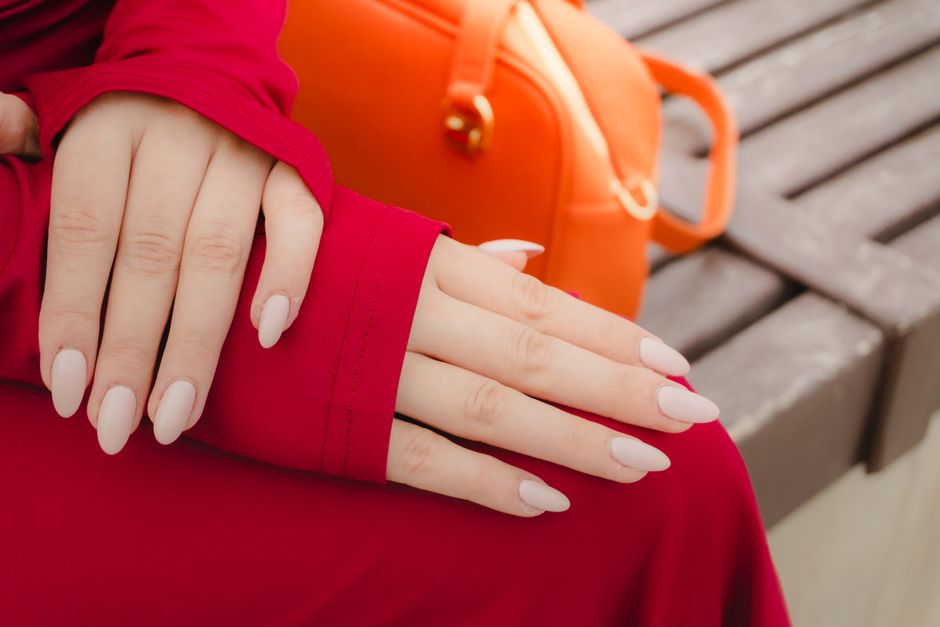
Gel nails are low-maintenance, but they do need basic care to last the full 2-3 weeks.
Keep your nails dry. Excessive water exposure can cause the gel to lift at the edges. Wear gloves when you wash dishes or take long baths.
Avoid picking or peeling. This is the enemy of gel manicures. If you notice lifting at the edge, resist the urge to pick at it. Go back to your salon and have a professional remove it. Picking causes damage to the nail underneath.
Be gentle with your nails for the first 24 hours. The gel is fully cured after leaving the lamp, but give your manicure a day to fully settle before doing heavy-duty activities.
Visit Euro Nail Lounge
Book Your Appointment →Use cuticle oil. Gel can be drying to your nail and cuticle area. A good cuticle oil keeps everything hydrated and healthy. This is especially important if you're getting gel manicures regularly.
Don't use your nails as tools. Even though gel is tougher than regular polish, your nails aren't screwdrivers. Use actual tools for everything.
When it's time to remove your gel nails, never just peel them off. That can damage your natural nail underneath. Either go back to your salon for professional removal or use an acetone soak at home. Soak your fingertips in acetone for 10-15 minutes, then gently roll the softened gel off. It takes patience, but it's worth it.
Gel Nails vs. Other Nail Options
You might be wondering how gel compares to other popular nail services.
Gel vs. regular polish: Gel lasts way longer (2-3 weeks vs. 3-7 days), dries instantly, and doesn't chip as easily. The downside is removal takes longer and requires acetone soaking or professional removal.
Gel vs. dip powder (SNS): Both last about 2-3 weeks. Dip powder doesn't require a lamp, which some people prefer. However, gel typically looks shinier and feels smoother. Dip powder has a slightly different texture and can be more prone to cracking if you're not careful.
Gel vs. acrylics: Acrylics are for nail extensions, while gel works on natural nails or can be used with extension forms. Acrylics tend to last longer (3-4 weeks) but require more maintenance. Gel feels lighter and more natural.
If you want your natural nails to look and feel better, gel is your answer. If you want longer nails or dramatic extensions, you might need acrylics or hard gel with extensions.
Common Gel Nail Concerns Answered
Let's address some worries people have about gel manicures.
Does gel damage your nails? Not if it's applied and removed correctly. The key is professional removal and good aftercare. If you pick at gel or have it roughly removed, yes, that damages your nails. Proper technique prevents this.
Is the UV light dangerous? The exposure is minimal and the risk is very low. According to the Skin Cancer Foundation, the amount of UV exposure from a nail lamp is far less than from sunbathing or a tanning bed. LED lamps have even less UV exposure than older UV lamps.
Can you get gel nails if you have short nails? Absolutely. Gel works beautifully on short, natural nails. You don't need long nails to enjoy the benefits of gel.
How often can you get gel manicures? Ideally, give your nails a break between manicures. After removing gel, wait at least a few days before applying new gel. Your nails need a little time to recover and rehydrate. Regular breaks help keep your nails healthy long-term.
If you're ready to try gel nails or you're looking for a salon that specializes in professional gel applications, Euro Nail Lounge offers expert gel nail services in Orange City and the surrounding area. The team can walk you through the options and help you pick the right style for your lifestyle.
Related: Best SNS Dipping Powder Nails in Orange City, FL
Trending Gel Nail Colors & Styles Right Now

If you're unsure what to get, it helps to know what's popular. As of 2026, vampy reds and moody sage greens are having a major moment. These deeper, more sophisticated shades work beautifully on gel because the shine and durability make them look extra luxe.
Short, natural nail designs are also trending. You don't have to go long and dramatic to look polished. A clean, well-groomed natural nail with a rich gel color or simple accent nail can be just as stunning as a full set of extensions.
Custom nail art is always an option if you want something more personalized. Geometric patterns, subtle florals, or minimalist line work are all popular right now.
The beauty of gel is that whatever style you choose, it'll stay looking fresh for weeks. Whether you go classic red, trendy sage, or something totally custom, your manicure will look as good on day 20 as it did on day one.
How often should I get gel manicures?
Every 2-3 weeks is ideal. That's when most people start seeing growth at the base of the nail and slight lifting at the edges. You don't have to get them that frequently—it really depends on your lifestyle and budget. Some people do them every 4-5 weeks and just touch up the base with a fresh gel application. Talk to your technician about what works best for your nails.
Can you apply gel nails at home?
Yes, DIY gel kits exist and are available online. However, professional application is almost always better. Nail technicians have training in proper prep, light curing, and application techniques that make manicures last longer and look better. DIY kits can work if you're willing to practice, but expect a learning curve and possibly some wasted product while you figure it out.
What should I do if my gel nails start lifting?
Go back to your salon as soon as you notice lifting. Lifting usually happens at the edge of the nail near the cuticle. Your technician can fill in the gap with fresh gel or remove and reapply the whole manicure if needed. Catching it early prevents more problems down the road.
Are gel nails expensive?
Gel manicures typically cost more than regular polish manicures because they require special equipment, training, and last significantly longer. Since you're getting 2-3 weeks of wear instead of 3-7 days, the cost per day is actually pretty reasonable. Think of it as an investment in your time and appearance.
Visit Euro Nail Lounge
Book Your Appointment →